
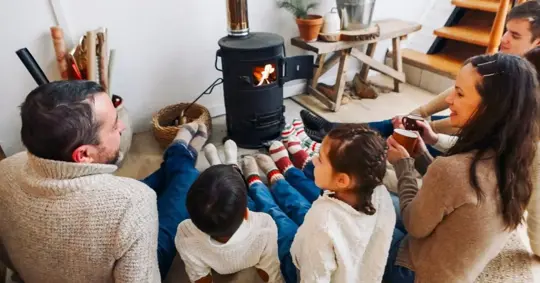
When winter arrives in Utah County, your heating bill can skyrocket as quickly as temperatures drop. The good news is that you don't have to choose between staying warm and staying within budget. With a few strategic changes and smart habits, you can keep your home cozy while reducing energy waste and cutting costs throughout the heating season.
Need help lowering your heating bills right now? Call Comfort Maxx at (385) 999-2072 or fill out our online contact form to schedule a heating system evaluation today.
Understanding Where Your Heat Goes
Before you can reduce heating costs, it helps to know where your money is actually going. Most homes lose heat through several common problem areas that are easy to overlook. Air leaks around windows and doors are among the biggest culprits, allowing warm air to escape while cold air sneaks in.
Poor insulation in attics, walls, and crawl spaces also contributes significantly to heat loss. Additionally, an inefficient or aging heating system has to work harder and longer to maintain comfortable temperatures, burning through more energy in the process.
Seal Air Leaks Throughout Your Home
One of the most cost-effective ways to reduce heating expenses is to seal air leaks that let conditioned air escape. Start by checking around windows and doors for drafts. You can use weatherstripping on doors and caulk around window frames to create a tighter seal.
Don't forget to inspect areas where utilities enter your home, such as around pipes, vents, and electrical outlets. Even small gaps can add up to significant heat loss over time. For larger gaps or cracks, expanding foam sealant works well to block airflow and improve your home's overall efficiency.
Optimize Your Thermostat Settings
Your thermostat settings have a direct impact on your monthly heating costs. During waking hours when you're home, setting your thermostat to 68-70°F provides comfort for most people. When you're asleep or away from home, lowering the temperature by 7-10 degrees can lead to noticeable savings without making your home uncomfortable when you return.
A programmable or smart thermostat makes these adjustments automatic, so you don't have to remember to change settings manually. These devices can learn your schedule and preferences, making small adjustments throughout the day that add up to real savings over the course of a heating season.
Maximize Your Heating System's Efficiency
Your heating system's performance directly affects how much you spend on energy. Regular maintenance keeps your system running smoothly and helps catch small issues before they become expensive problems. Here are key maintenance tasks that can improve efficiency:
- Replace air filters monthly during heavy use seasons. Dirty filters restrict airflow, forcing your system to work harder and use more energy to heat your home.
- Schedule annual professional tune-ups. A trained technician can clean components, check for wear, and ensure everything operates at peak performance.
- Keep vents and registers clear. Furniture, curtains, and other obstructions block airflow and prevent heat from circulating properly throughout your space.
- Consider upgrading older equipment. If your heating system is more than 15 years old, newer models can significantly reduce your energy consumption while providing better temperature control.
Following these practices helps your system deliver consistent warmth while using less energy. If you notice unusual noises, weak airflow, or rooms that won't warm up properly, these signs may indicate your system needs attention from a professional.
Use Your Home's Natural Heat Sources
Taking advantage of natural heat can reduce how hard your heating system has to work. During daylight hours, open curtains and blinds on south-facing windows to let sunlight warm your rooms naturally. This passive solar heating is completely free and can raise indoor temperatures several degrees on sunny winter days.
When the sun goes down, close window coverings to add an extra layer of insulation against cold glass surfaces. Heavy curtains or cellular shades work especially well for trapping heat inside. Closing doors to unused rooms also prevents your heating system from wasting energy on spaces you're not occupying.
Improve Insulation Where It Counts Most
Proper insulation keeps warm air inside your home where it belongs. The attic is typically the most important area to insulate since heat naturally rises and can escape through your roof. Most Utah County homes benefit from at least 10-14 inches of insulation in the attic. Walls and floors above unheated spaces like garages or crawl spaces also need adequate insulation to prevent heat loss.
If you're unsure about your home's insulation levels, a professional energy assessment can identify areas where improvements would provide the greatest return on investment. Adding insulation is often one of the most effective long-term strategies for reducing heating costs.
Maintain Proper Humidity Levels
Indoor humidity affects how warm your home feels at any given temperature. Air that's too dry makes you feel colder, which tempts you to turn up the thermostat. Maintaining humidity levels between 30-50% helps your home feel more comfortable at lower temperatures. Using a humidifier during winter months adds moisture to the air without increasing your heating bill.
Plants can also contribute to indoor humidity naturally while improving air quality. Just be careful not to over-humidify, as excessive moisture can lead to condensation problems and potential mold growth.
Dress for Indoor Comfort
Sometimes the simplest solutions are the most effective. Layering clothing and using blankets allows you to stay comfortable while keeping your thermostat set a few degrees lower. Warm socks or slippers make a surprising difference in overall comfort since cold floors can make your entire body feel chilled.
Keeping a throw blanket on the couch means you can stay cozy while watching TV without raising the heat. These small adjustments to personal comfort habits can translate to meaningful savings on your energy bills without any home improvements or equipment upgrades.
Know When Repairs or Replacement Make Sense
Sometimes reducing heating costs requires addressing underlying issues with your heating equipment. If your system frequently cycles on and off, produces strange sounds, or struggles to maintain consistent temperatures, these problems waste energy and drive up costs. Minor issues caught early through heating repair can often be fixed affordably before they lead to complete system failure.
However, if your equipment is older and requires frequent repairs, the ongoing costs may exceed the investment in heating installation or replacement with a more efficient system. A qualified technician can help you evaluate whether repair or replacement makes the most financial sense for your situation.
Start Saving on Heating Costs Today
Reducing your heating expenses doesn't mean shivering through Utah County winters. By combining simple habit changes with strategic home improvements and proper system maintenance, you can create a comfortable indoor environment that doesn't strain your budget. The strategies outlined here work together to address multiple sources of energy waste, giving you control over your heating costs both now and in future seasons.
Ready to lower your heating bills while keeping your home comfortable? Contact Comfort Maxx at (385) 999-2072 or use our online contact form to schedule a consultation and learn how we can help optimize your home's heating efficiency.