
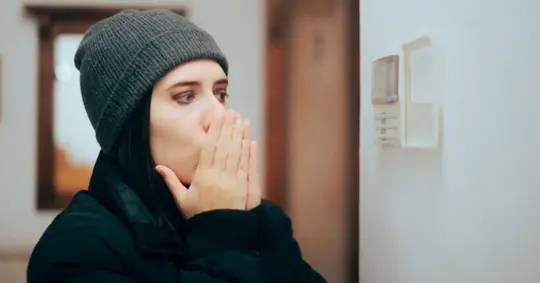
Nothing feels quite as uncomfortable as walking from a warm living room into a freezing bedroom during a Utah winter. When your furnace runs but some rooms stay cold while others feel like a sauna, something's not working the way it should. Understanding why this happens can help you figure out whether you need a quick fix or professional help.
Is your home uncomfortably cold in some rooms? Don't wait for winter temperatures to drop further. Call (385) 999-2072 or fill out our online contact form to get your heating system back on track.
Common Causes of Uneven Heating in Your Home
Several issues can prevent your furnace from distributing warm air evenly throughout your house. Some are simple to address on your own, while others require a trained technician to diagnose and repair properly.
Dirty or Clogged Air Filters
Your furnace filter does more than clean the air—it also affects how well warm air moves through your home. When filters get packed with dust, pet hair, and other debris, they restrict airflow. This means some rooms might not get enough heated air, even though your furnace is working hard.
Check your filter at least once a month during heating season. If it looks gray or clogged, replace it. Most Utah County homes need new filters every 1-3 months, depending on factors like pets, dust levels, and how often you run your system.
Blocked or Closed Vents and Registers
Take a walk through your home and look at every vent. Furniture, curtains, rugs, or even toys can block airflow without you realizing it. Similarly, someone might have closed vents in certain rooms, thinking it would save energy (it actually can make your system work harder and less efficiently).
Make sure all supply vents and return air grilles have at least a few inches of clearance. Keep them open throughout your home, even in rooms you don't use often. Your heating system is designed to balance airflow based on all vents being open.
Ductwork Problems
The network of ducts running through your walls, floors, and ceilings carries heated air from your furnace to every room. When ducts develop problems, certain areas of your home won't receive adequate heat.
Common ductwork issues include:
- Leaks or gaps: Heated air escapes before reaching its destination, leaving some rooms cold
- Poor insulation: Ducts in unheated spaces like attics or crawl spaces lose heat before air reaches living areas
- Disconnected sections: Ducts can separate at joints, sending warm air into spaces where you don't need it
- Crushed or kinked ducts: Flexible ducts can get compressed during installation or by objects stored nearby
- Improper sizing: Ducts that are too small restrict airflow to certain rooms
You might not be able to see all your ductwork, but signs like whistling sounds, unusually high energy bills, or persistent cold spots can indicate duct problems. Professional duct inspection and sealing can address these issues and improve comfort throughout your home.
Thermostat Location and Settings
Where your thermostat sits matters more than many homeowners realize. If it's located in a sunny spot, near a drafty window, or in a room that's naturally warmer or cooler than the rest of your home, it won't accurately reflect your overall indoor temperature.
Your thermostat might read 70 degrees and shut off the furnace, but that measurement only applies to the specific area around the device. Other rooms could still be much colder. Additionally, outdated or malfunctioning thermostats can fail to signal your heating system properly, creating temperature imbalances.
Consider upgrading to a programmable or smart thermostat that can better regulate your home's temperature. If relocation is needed, a technician can help determine the best spot—typically an interior wall away from heat sources, drafts, and direct sunlight.
Furnace Capacity and Age
Sometimes the problem isn't how your furnace runs, but whether it's the right size for your home. An undersized furnace struggles to heat your entire house adequately, especially during the coldest Utah Valley nights. Oversized furnaces cycle on and off too frequently, creating temperature swings and uneven heating.
Older furnaces also lose efficiency over time. Components wear out, heat exchangers develop cracks, and blower motors weaken. If your furnace is more than 15-20 years old and creating uneven temperatures, it might be time to consider replacement rather than ongoing repairs.
Insulation and Air Sealing Issues
Your furnace can only do so much if your home isn't properly insulated. Poor insulation in walls, attics, or crawl spaces allows heat to escape, making some rooms—especially those on upper floors or over garages—harder to keep warm.
Air leaks around windows, doors, outlets, and other openings also contribute to uneven heating. Cold outside air sneaks in while heated air escapes, creating drafts and cold spots. Sealing these gaps and adding insulation where needed can significantly improve temperature consistency throughout your home.
Upper Floor vs. Lower Floor Temperature Differences
Heat naturally rises, which can make second-floor rooms warmer than those on the main level or in basements. While some temperature difference is normal, significant variations suggest your system isn't balanced properly.
Zoning systems or dampers can help control airflow to different levels of your home. These allow you to direct more heated air to areas that need it most, creating more consistent comfort from floor to floor.
How Your Home's Design Affects Heating
Older homes in Utah County often have unique layouts that challenge modern heating systems. Additions, renovated spaces, and homes with open floor plans all affect how air circulates. Large rooms with high ceilings require more heated air, while small, closed-off spaces might get too warm.
Room placement also matters. Rooms on the north side of your house receive less sunlight and tend to be colder. Rooms above garages or with exterior walls on multiple sides lose heat more quickly. Understanding your home's specific layout helps identify why certain areas stay cold.
When to Call for Professional Help
Some heating issues require professional diagnosis and repair. Contact a technician if you notice:
- Unusual noises coming from your furnace or ductwork
- Frequent cycling on and off
- Yellow or flickering pilot light (should be blue)
- Burning smells or excess dust
- Rising energy bills without increased usage
- Cold spots that persist after changing filters and checking vents
Technicians have specialized tools to measure airflow, check duct integrity, test system pressure, and identify problems that aren't visible to homeowners. Regular maintenance can also prevent many issues before they create comfort problems.
Get Expert Furnace Service in Utah County
Uneven heating doesn't just affect your comfort—it can signal efficiency problems that increase your energy costs and put unnecessary wear on your system. Whether you need furnace installation, repair, or maintenance, Comfort Maxx is here to help Utah Valley homeowners stay warm all winter long.
Call (385) 999-2072 or complete our online contact form to schedule service today.